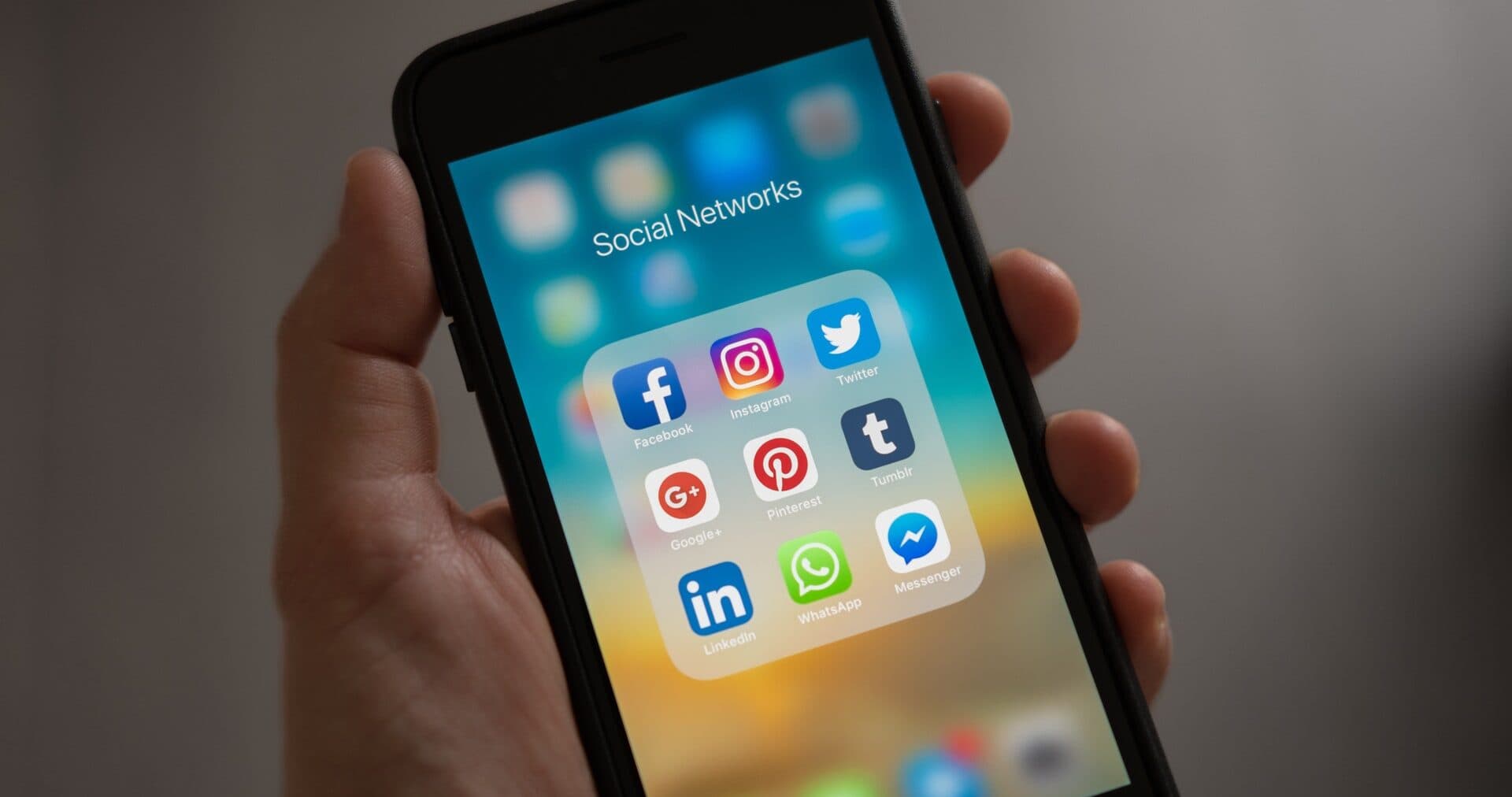
LinkedIn is rightly recognised as the leader in B2B social marketing, with a user base of over 760 million business-focused members.
Statistics demonstrate that an ad on LinkedIn can reach 13% of the world's audience, and 40 million use it to search for jobs every week. Other stats reveal that 96% of content marketers use LinkedIn, and 89% of B2B salespeople use it for lead generation. However, with such widespread use LinkedIn has become a victim of its own success.
With so much content shared and so many salespeople mining LinkedIn for leads, the original purpose of a social media platform for business users has been lost. The endless connection requests, templated messages, and poor sales pitches turn many users off. LinkedIn's effectiveness for lead generation has been on the wane.
Officially, connection requests on LinkedIn are only meant to be made to people you know - but it is an open secret that this is not followed. So in response, and with a rise in scams and spam, LinkedIn has taken drastic action and limited the number of connection requests for everyone to a maximum of 100 per week. This has significantly reduced the effectiveness of LinkedIn as a B2B lead generation tool.
So with these new realities in mind, a different approach is needed to get the maximum value out of LinkedIn. This is where buyer intent data can play a pivotal role.
What is Buyer Intent Data?
A quick recap - buyer intent data is the automated insight of company and contact level data garnered from the trail of data that B2B users leave online when researching a product or service. For example, B2B prospects engage with a competitor's social media or use a Twitter keyword. These are examples of "buying signals".
For more information, read our article on buyer intent data.
How to Leverage Intent Data with LinkedIn
LinkedIn has many ways that you can identify and reach out to contacts. The most effective and best ways will always involve some costs, either through LinkedIn paid membership or by using LinkedIn ads.
LinkedIn has the ability to target individuals in granular detail using a range of criteria such as job title, industry, interests or skills.
But reaching your ideal customer profile is only half the battle, and with LinkedIn's new connection limit restrictions, is it really worth the effort to reach a key decision-maker at the wrong time or with the wrong message?
That is where intent data can be decisive in your LinkedIn marketing by adding context to your prospect lists.
Intent data can help your LinkedIn outreach in 3 ways:
- Approaching the right prospects - Focus your limited connection requests on companies actively researching solutions like yours
- Approach with the most relevant content based on intent - Tailor your messaging to what the prospect is actually interested in right now
- Approach at the right time - Engage when buying signals indicate active evaluation, not cold outreach
"Companies that post weekly on LinkedIn see a 2x higher engagement rate"
- LinkedIn Market Study 2021
Let's See This in Action
For illustration purposes, let's imagine the typical LinkedIn B2B outreach approach.
First, using Sales Navigator, create a list based on your persona or ICP (ideal customer profile). Then start connecting with them. Those that accept your connection then send a message.
The best messages will be ones that are personalised, the downside to this is this takes time to research the best personalisation. This type of personalisation is often based on something the prospect has posted on LinkedIn or a recent company blog. Rest assured, with everyone prospecting on LinkedIn, they have heard it all before! If you are really confident, you might use an InMail, but InMail costs and numbers are often limited.
Next, you must wait to see if that message based on a recent post or article has worked. Fingers crossed!
Adding Intent Data to Your Outreach
Now instead of following the crowd, let's add intent data to your outreach. Importantly, our recommended solution also provides the B2B verified email address to add to your outreach plan.
Remember that intent data is data left from the trail of web activity when a prospect is looking to buy, so this allows for different messaging that is unique and not used by every B2B sales rep. So, for example:
"John - Your company is planning to visit the National Tech Conference next weekend. We are exhibiting there, and it would be great to get away from the crowd, buy you a coffee and find out more about your tech needs. I've fired you a coffee voucher to your email with some available slots. Look forward to seeing you there!"
In this illustration, we've combined intent data on events, with LinkedIn outreach, and a valuable email that you know is going to get noticed.
Which approach do you think will work best?
Key Takeaways
- LinkedIn's effectiveness for cold outreach has declined due to connection limits and message fatigue
- Buyer intent data adds critical context - who to approach, what to say, and when to reach out
- Combining intent signals with LinkedIn outreach creates personalised messaging that stands out
- Verified email addresses from intent data providers add a second touchpoint beyond LinkedIn
- The best results come from multi-channel approaches that blend social, email, and real-world signals
We help sales and marketing leaders with automation, technology, implementation, and strategy. Get in touch to learn how intent data can transform your LinkedIn results.
Ready to Explore AI & Automation?
The AI Readiness Assessment identifies exactly where automation will deliver the greatest return for your organisation.